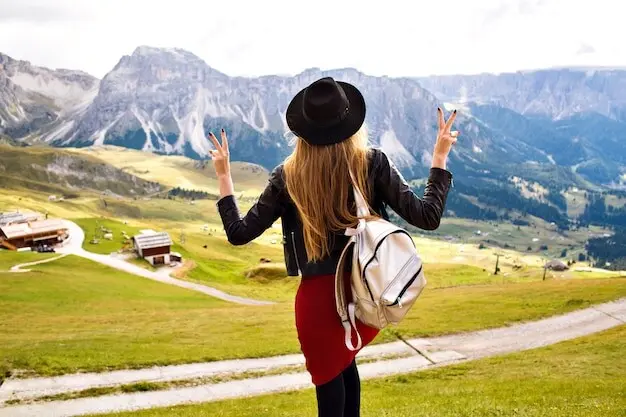
Grain, Granite, and Emerald Rivers: Capturing the Julian Alps on Film

Set out with a backpack of trusted emulsions and a heart tuned to mountain light. This guide to capturing the Julian Alps on film leads you from misty lakes to razorback ridgelines, translating limestone drama, emerald rivers, and fleeting alpenglow into tangible negatives and unforgettable, hand-crafted images.

Planning the Alpine Journey

Successful photographs in the Julian Alps begin long before the shutter clicks. Seasons reshape light, access, and mood, while early starts, hut reservations, and realistic hiking plans determine how you meet sunrise. Prepare intentionally, and the mountains reward patience with moments that seem made for silver halides and careful compositions.

Seasons and Light Windows

Summer offers accessible passes, late golden hours, and busy trails, while autumn brings larch fireworks, low sun angles, and foggy valleys perfect for layered frames. Winter glitters with crystalline air and stark contrast, demanding caution and warm batteries. Spring opens waterfalls and meadows, though meltwater haze and changeable skies test metering and resilience.

Maps, Huts, and Access

Topo maps, weather apps, and local hut (koča) schedules shape realistic sunrise ambitions across Triglav National Park and surrounding valleys. Plan approaches to Mangart Saddle or Vršič hairpins the evening before, sleep high, and greet dawn without frantic ascents. Reserve huts early, carry cash, and respect closures protecting sensitive alpine habitats.

Weather, Safety, and Respect

Mountain storms build quickly, snow lingers in shadowed gullies, and limestone scree shifts under hurried feet. Pack layers, a headlamp, microspikes in shoulder seasons, and always leave a route plan. Follow marked trails, observe Leave No Trace, and remember drones are restricted in protected areas to safeguard wildlife and everyone’s quiet experience.

Choosing Film Stocks for Mountain Light
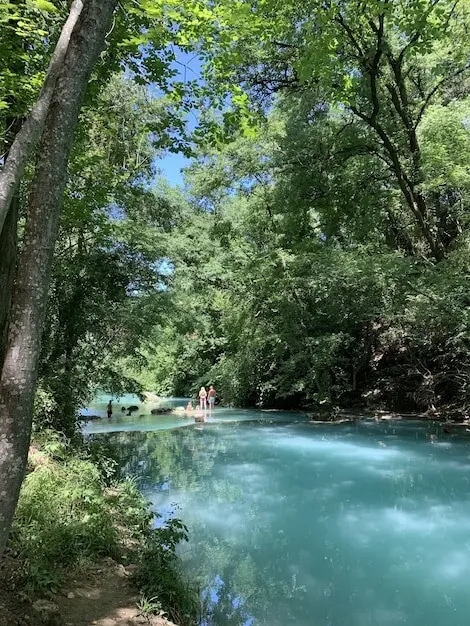
Altitude intensifies UV, snow lifts midtones, and emerald rivers challenge color balance. Selecting emulsions that forgive bright highlights or celebrate contrast makes all the difference. Mix robust color negatives, expressive black-and-white, and carefully used slide film to translate brisk air, chiselled ridges, and saturated waters into prints that feel true.

Color Latitude and Skin Tones at Altitude
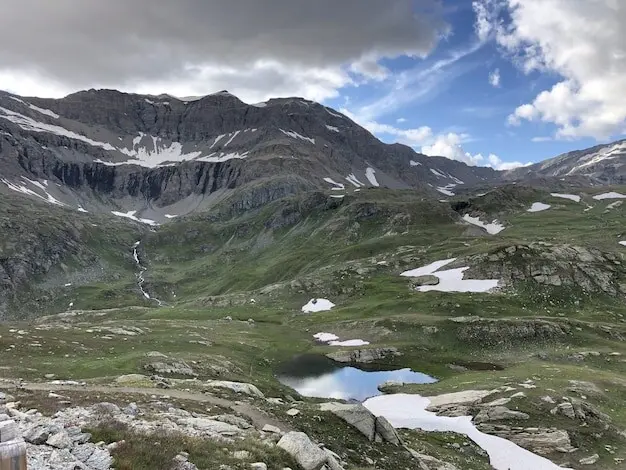
Portra 400 handles variable mountain light with generous latitude, letting you protect highlights and still reveal shadowed forests. Ektar 100 sings with crystalline mornings and saturated rivers, though it can be unforgiving in contrast. Consider a mild warming filter to tame cool altitude blues, and meter deliberately for snow-kissed limestone faces.

Black-and-White Drama in Harsh Contrast

Ilford HP5+ and Kodak Tri‑X thrive amid jagged silhouettes and weather-beaten textures, transforming crags into graphic statements. A yellow or orange filter deepens skies and separates clouds from peaks. Push to 800 during blue hour ridge traverses, welcoming grain that echoes stone’s grit while still preserving readable midtones and expressive shadow detail.

Cameras, Lenses, and Essential Gear

Mechanical reliability matters when frost bites fingers and batteries sulk. Pair dependable bodies with lenses that distill towering spaces or compress layered ridgelines into poetry. A light yet sturdy tripod, thoughtful filters, and a humble cable release transform fleeting Alpine order into negatives that truly honor scale, texture, and motion.

Metering, Exposure, and Reciprocity

Bright rock, reflective snow, and deep forests challenge any meter. Respect how negatives prefer generous exposure, while slides demand highlight discipline. Learn how reciprocity alters long river exposures, and tame contrast with filters or timing. Thoughtful decisions in the field preserve latitude, nuance, and emotional truth when the mountains glow.

Incident versus Spot in Snow and Limestone

An incident meter bypasses deceptive scenes, but when snow dominates, a careful spot reading helps. Place bright snow high without clipping, and let shadows settle naturally on negative film. On limestone walls, meter midtones, then open a stop to honor reflected light bouncing from pale rock into shadowed gullies and pine pockets.

Pushing, Pulling, and Contrast Control

Rate Portra 400 at 200 to protect shadows under forest canopies, or pull development slightly when noon harshness threatens. Push HP5+ for pre‑dawn traverses or moonlit snowfields, embracing textured grain. Communicate intentions to your lab clearly, noting speed changes, filter use, altitude haze, and desired tonal separation across cliffs, valleys, and sky.

Long Exposures on Rivers and Waterfalls

At the emerald Soča, stop down gently and add ND to stretch time, but account for reciprocity on longer shots. Keep spray off front elements, shield with a hood, and use a cable release. Record exposure times meticulously, ensuring repeatable results when silky water weaves through limestone boulders beneath ghosted larch reflections.

Iconic Locations and Compositions

A handful of vistas define many Alpine dreams, yet each welcomes a personal voice. Scout angles before sunrise, return as weather shifts, and let film’s slower rhythm reveal structure. Favor near‑far relationships, leading lines, and layers that breathe, allowing light to carve spaces your viewers can wander through thoughtfully.

Lake Bled and Bohinj: Dawn Reflections
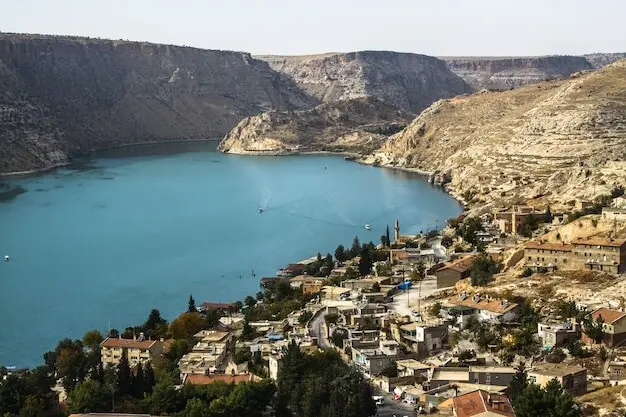
Climb to Ojstrica or Mala Osojnica before the horizon blushes, composing church spires and islet trees within calm water. At Bohinj, align the pier as a clean vector into mountains, waiting for oars to ripple glass. Low fog wraps midtones gently, inviting color negatives to sing without crushing shadow detail or clipped highlights.

Vršič Pass, Mangart Saddle, and High Roads
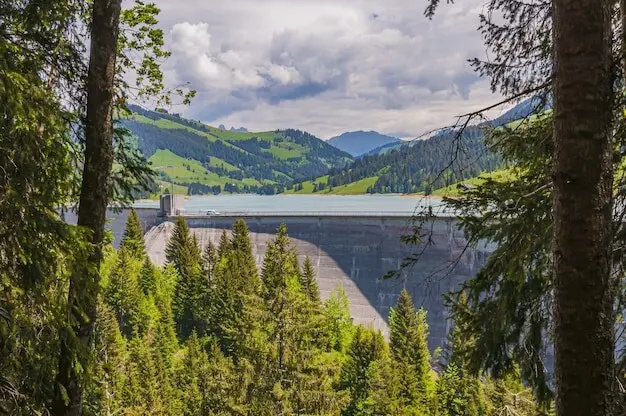
Hairpin turns sculpt hypnotic patterns when framed from above with a short telephoto, especially under thin cloud at blue hour. At Mangart, pre‑visualize sun paths painting cliff faces, and watch for larch glow in autumn. Safety first: mind traffic, wind gusts, and loose gravel while fine‑tuning alignment for perfectly flowing curves.

Soča Valley, Gorges, and Waterfalls

Seek emerald pools beneath stone bridges, the cavern glow of Kozjak, and the thunder of Savica after rains. Polarizers clarify depth, but avoid over‑darkened skies by shading carefully. Compose diagonals along riverbanks, anchor frames with textured foreground rock, and time exposures so water remains silk while preserving braided eddies and bright foam.

Workflow, Storage, and Developing

Protecting film, annotating exposures, and collaborating with a lab extend field decisions into durable results. Keep rolls cool and dry, label meticulously, and document metering choices beside weather notes. Thoughtful scanning and restrained edits then honor the honesty of film, preserving the Julian Alps’ breath, grit, and luminous, patient light.
Mirapexinarilaxilumasira
Privacy Overview

This website uses cookies so that we can provide you with the best user experience possible. Cookie information is stored in your browser and performs functions such as recognising you when you return to our website and helping our team to understand which sections of the website you find most interesting and useful.